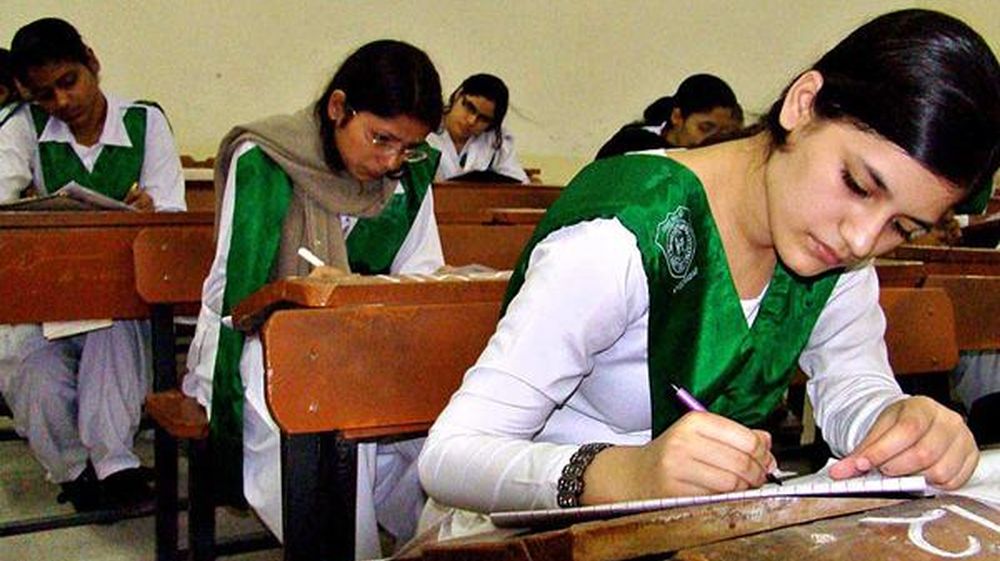



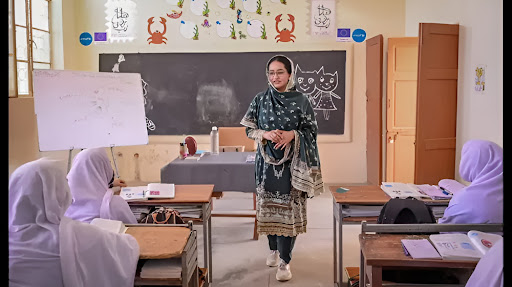
In a bold move to address one of Pakistan’s most pressing education challenges, the Balochistan government has unveiled plans to recruit 4,000 subject specialist teachers on an ad hoc basis. This initiative, part of the province’s Academic Excellence Programme, targets critical shortages in government schools, particularly in high-demand subjects like English, Mathematics, and Science. Education Secretary Asfandyar Khan Kakar announced the drive, emphasizing its role in bridging a staggering 70-80% teacher deficit that has plagued public education for years.
The announcement comes at a pivotal time for Balochistan’s education sector, where remote and underserved areas have long battled understaffed classrooms. With thousands of schools operating at minimal capacity, this hiring push signals a renewed commitment to revitalizing public education. Officials project that the new hires, positioned at Grade 17, will not only fill immediate gaps but also enhance overall learning outcomes across the province.
Why Balochistan Needs 4,000 New Teachers Now
Balochistan’s education system faces unique hurdles, from vast geographical spreads to security concerns and economic constraints. Government schools in districts like Quetta, Gwadar, and Turbat have reported acute shortages, leaving students without qualified instructors in core subjects. Kakar highlighted that English, Math, and Science classrooms are hit hardest, with vacancy rates soaring above 70% in many institutions.
This shortfall stems from multiple factors: teacher absenteeism, retirements without replacements, and a lack of incentives for educators in hard-to-reach areas. Recent audits revealed over 2,000 schools shuttered due to staffing issues, forcing children into informal learning or dropout. The provincial administration’s response includes reactivating these facilities alongside the recruitment, aiming for a comprehensive overhaul.
By focusing on subject specialists, Balochistan hopes to elevate academic standards. “These teachers will deliver targeted instruction, preparing students for national exams and future opportunities,” Kakar stated during a press briefing. The ad hoc nature of the appointments allows for swift deployment, with permanent regularization possible later based on performance.
Details of the Balochistan Teacher Hiring 2026 Initiative
The recruitment process prioritizes merit and urgency. Applications will soon open through district education offices, with eligibility centered on qualified candidates holding relevant degrees and teaching certifications. Successful applicants will receive Grade 17 salaries, competitive benefits, and postings aligned with provincial needs.
Key features of the program include:
- Target Subjects: English, Mathematics, Science (Physics, Chemistry, Biology), and potentially others like Computer Science.
- Scale: 4,000 positions province-wide, distributed across primary, middle, and high schools.
- Timeline: Summary for approval submitted; hiring expected to commence within months.
- Monitoring: Performance evaluations to ensure accountability and impact.
This aligns with broader national efforts, such as Punjab’s recent teacher inductions and federal pushes under the Single National Curriculum. Balochistan’s Academic Excellence Programme, launched last year, has already introduced digital tools and training modules, making it a holistic framework for reform.
Broader Impact on Pakistan’s Education Landscape
Balochistan’s teacher shortage mirrors national trends but hits harder in this resource-scarce province. Pakistan’s overall literacy rate hovers around 60%, with rural Balochistan lagging at under 40%. The COVID-19 pandemic exacerbated gaps, widening learning losses in STEM fields essential for economic growth.
Experts applaud the move as a pragmatic step. Dr. Ayesha Khan, an education policy analyst at Quaid-i-Azam University, noted, “Ad hoc hiring provides quick relief while long-term strategies like teacher training institutes take shape. It’s a lifeline for a generation at risk.” The initiative could boost enrollment, currently at 50% for girls in public schools, by improving school viability.
Moreover, it ties into sustainable development goals. By staffing schools, Balochistan invests in human capital, potentially reducing poverty and unrest in marginalized regions. Recent reactivation of non-functional schools—over 1,500 in the past six months—pairs perfectly with this hiring, creating a ripple effect.
Challenges and Path Forward for Balochistan School Teachers Recruitment
Despite optimism, hurdles remain. Critics worry ad hoc status might lead to job insecurity, discouraging top talent. Infrastructure deficits, like missing labs for Science teachers, could undermine effectiveness. Security in insurgency-prone areas also demands safeguards for educators.
To counter this, the government plans incentives: housing allowances, transport, and security protocols. Partnerships with NGOs like the Balochistan Education Foundation will support training. Long-term, a teacher policy overhaul promises better retention.
Public reaction has been positive, with social media buzzing under hashtags like #BalochistanTeachers2026. Parents in Lasbela and Zhob districts express hope for better futures for their children. As approval nears, stakeholders urge transparency in selections to build trust.
Looking Ahead: A Brighter Chapter for Balochistan Education
This recruitment marks a turning point, transforming Balochistan from an education laggard to a reformer. With 4,000 new teachers, classrooms could hum with activity, fostering innovation and equity. Success here might inspire Khyber Pakhtunkhwa and Sindh to scale similar drives.
As Pakistan navigates 2026’s economic pressures, investing in education remains non-negotiable. Balochistan’s bold step underscores that political will can conquer shortages, paving the way for empowered youth.